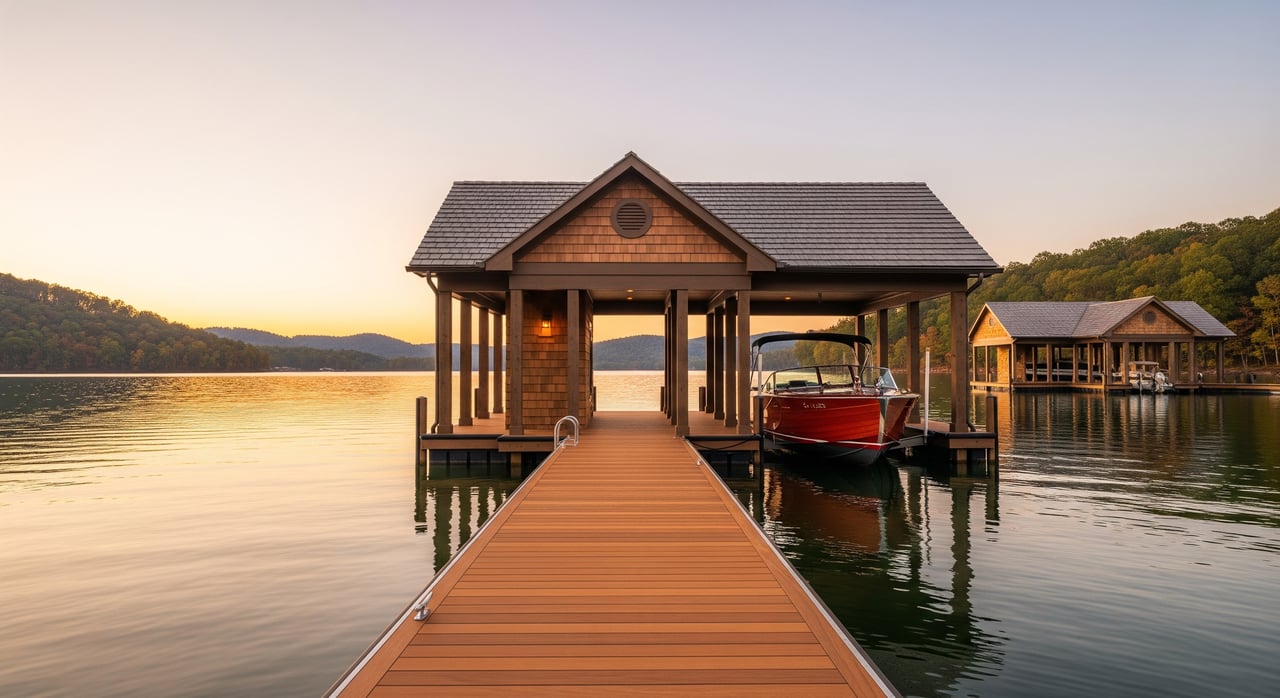
Buying a lake house in 37725 and picturing mornings on your own dock? On Douglas Lake, that dream depends on one key detail: TVA shoreline rules. If you are new to Tennessee lake property, it can feel confusing to sort out who controls what. This guide breaks down how TVA dock permits work, what transfers at closing, and the exact steps to verify a dock before you make an offer. Let’s dive in.
TVA shoreline rules on Douglas Lake
Douglas Lake, also called Douglas Reservoir, sits on land managed by the Tennessee Valley Authority. TVA owns and oversees the shoreline area known as “project lands,” which generally includes the strip between the normal pool line and the TVA property boundary. That means TVA regulates structures that touch or cross this zone.
TVA’s Shoreline Management Program sets the standards for docks, boat lifts, and shoreline work. The program aims to protect reservoir operations and public resources while allowing reasonable access for riparian owners. What is allowed at one address may not be the same at another, because rules follow TVA’s site-specific shoreline classifications.
Many approvals are conditional and revocable. TVA can deny, modify, or revoke permission if a structure conflicts with program goals or creates safety or environmental issues. Unauthorized structures are taken seriously and can trigger removal or fines.
What this means for you in 37725
- Your dock use is subject to TVA rules even if you own the land above the shoreline.
- The dock’s size, orientation, and number of slips depend on the shoreline classification for that precise location.
- If a dock is unpermitted or out of compliance, you could face costly fixes or removal after closing.
Private dock permits explained
TVA issues different types of permissions depending on the use and location. Here are the ones you will most likely encounter as a single-family buyer.
Residential dock permissions
These are issued to riparian landowners for private docks, boat lifts, or limited shoreline access. Conditions usually limit footprint, placement, and use. Some approvals are permits, others are revocable licenses or leases if the structure occupies TVA fee-owned land.
Typical conditions include construction standards, slip limits, safety requirements, and restrictions on commercial use. Seasonal adjustments or removal can also be required depending on site conditions.
Commercial and marina permissions
If a dock is used for rentals or paid slips, TVA treats it as commercial. These sites often require a formal lease, added environmental measures, and insurance. If your goal is private use, confirm the site is not approved only for commercial operations.
Existing nonconforming or “grandfathered” docks
Some older docks predate current standards. TVA may let them remain but limit future changes. If you plan to modify or rebuild, TVA can require compliance with current rules. If there is no formal approval on file, the structure could be treated as unauthorized.
Enforcement and compliance
TVA inspects and responds to complaints. Noncompliance can lead to notices, fines, or removal orders. Expect ongoing obligations like maintenance, potential inspections, and fee payments in some cases.
Do permits transfer when you buy?
Do not assume a seller’s TVA approval passes to you automatically. Some permits require notification, assignment paperwork, or a new application. TVA must confirm transfer or reissue terms in writing.
The practical takeaway is simple: get written confirmation from TVA about the dock’s status and transfer steps before you close. Your lender and title company may require it, and you will want it for your own protection.
Documents to request from the seller
- Any TVA permit, license, lease, approval letter, or assignment for the dock and shoreline use
- As-built drawings or a site plan that shows the dock’s location and size
- TVA correspondence that details conditions, restrictions, or inspections
- Records of enforcement actions or repairs and maintenance
- Any state, county, or federal permits tied to the shoreline or in-water work
Title, lender, and insurance considerations
Title work should flag recorded encroachments or agreements with TVA, though some conditions may not be recorded and need TVA confirmation. Lenders often require proof that a dock is legally authorized. Insurers may also expect compliant construction. An unpermitted or noncompliant dock can complicate financing and coverage.
Timing and costs to expect
Transfer or a new permit review can take weeks to months depending on the site and any environmental review. You may face fees, required upgrades to meet current standards, or even removal costs for nonconforming structures. Build time into your contract and budget for possible upgrades.
How to verify a dock before you offer
You can avoid surprises with a clear due-diligence plan. Start these steps as soon as you are serious about a property, and include the right contingencies.
- Request seller documents as a contract contingency.
- Ask the seller for copies of all TVA shoreline approvals, permits, leases, and letters, as well as any US Army Corps of Engineers or Tennessee Department of Environment and Conservation permits. Request as-built drawings and any dock repair or enforcement records.
- Order a current shoreline or boundary survey.
- A survey confirms where the dock sits relative to your deeded line, the TVA project boundary, and neighboring features. This helps identify encroachments.
- Contact TVA Shoreline Management for written confirmation.
- Ask whether a valid permit exists, whether it is transferable, and what steps, forms, fees, or inspections are required. Request the permit number, date, conditions, and any known compliance issues. Keep a record of who you spoke with and the date, and seek written confirmation when possible.
- Check federal and state status.
- Some in-water work can require authorization from the US Army Corps of Engineers, especially if dredging, filling, or larger structures are involved. TDEC handles water quality and shoreline stabilization permits. Ask whether any permits are active or needed.
- Verify local requirements.
- Contact the Jefferson County building and zoning office for local permits or inspections that may apply. If there is an HOA or a nearby marina, ask about any community restrictions or customary practices.
- Engage qualified professionals.
- Hire a dock inspector or engineer to assess structural condition and compliance with permit conditions. Consult a Tennessee real estate attorney with riparian experience for contract language and title issues.
Questions to put in writing to TVA
- Is there a current TVA permit, license, or lease for the dock at the property’s parcel or address? If yes, what is the permit number, issue date, and list of conditions?
- Is the permit transferable to a new riparian owner? What are the steps, forms, fees, and inspections required for transfer or assignment?
- Are there any outstanding compliance issues, enforcement actions, or site-specific restrictions?
- What shoreline classification applies here, and what limits does it place on dock size or orientation?
Smart contract protections to include
- A contingency that lets you confirm the dock’s permit is valid and transferable, or obtain a new permit on acceptable terms
- A right to terminate or renegotiate if TVA requires costly changes, removal, or denies transfer
- Clear deadlines for the seller to provide documents, and for you to complete TVA confirmation and a structural inspection
Buyer risks and red flags
- No TVA paperwork from the seller, or only informal notes instead of formal approvals
- A “grandfathered” claim with no documentation on file
- Notices of enforcement, fines, or pending removal orders
- A dock that encroaches onto TVA fee land or public recreation areas
- Structural issues that would force a rebuild to meet current standards
- Conflicting riparian rights or easements that affect dock location or access
Local tips for Douglas Lake buyers
If you are shopping in Dandridge and the 37725 area, plan for TVA timelines in your offer strategy. Build a realistic due-diligence window and coordinate survey, dock inspection, and TVA confirmation early. If you are remote, set up video walkthroughs and lean on local vendors who understand Douglas Lake’s seasonal levels and shoreline classifications.
When in doubt, assume you will need to prove the dock is legal today. Seller assurances are not enough. Written confirmation from TVA is your best protection against post-closing surprises.
Ready to explore lake homes with confidence? Connect with Jo Schultheiss for local guidance, remote-buyer support, and a clear plan to verify docks and shoreline use before you make an offer.
FAQs
What is TVA and why does it control docks on Douglas Lake?
- TVA owns and manages Douglas Reservoir’s project lands and uses its Shoreline Management Program to permit, restrict, or remove structures to protect operations, public access, and environmental values.
Do TVA dock permits automatically transfer to a buyer at closing?
- Not always; many permits require TVA notification and approval for assignment or a new application, so you should confirm transfer steps in writing with TVA before closing.
How long does a permit transfer or new approval take on Douglas Lake?
- Timeframes vary by site and complexity, but reviews can take weeks to months; build this into your due-diligence period and contract timelines.
Can I build a new private dock on a vacant lot in 37725?
- It depends on TVA’s shoreline classification and site-specific limits; contact TVA Shoreline Management to confirm what size and orientation, if any, may be allowed at that precise location.
The seller says the dock is grandfathered. Is that enough?
- No; request formal TVA documentation, then verify with TVA whether the structure is recognized and what restrictions apply to repairs or modifications.
Will my lender or insurer care about the dock’s permit status?
- Yes; lenders and title companies often require proof of a valid permit, and insurers may require compliant construction, so unresolved issues can affect financing and coverage.