Selling a Gatlinburg cabin to an out-of-state buyer is different from selling a primary home down the street. Remote buyers need confidence, clear numbers, and an easy way to visualize and close from afar. If you prepare the right documents, price with investment logic, and package the listing for a virtual-first audience, you can reach more qualified buyers and secure stronger offers. This guide walks you through exactly how to do it in Gatlinburg and Sevier County. Let’s dive in.
Know your remote buyer
Most out-of-state buyers in Gatlinburg shop for a second home, a short-term rental investment, or a blend of both. They compare cabins online and expect fast access to tours, revenue data, and permitting details. Many decide whether to fly in based on what you provide upfront.
Investor buyers focus on performance. Market snapshots for Gatlinburg often show occupancy in the low to mid 50 percent range, an average daily rate in the low to mid $300s, and typical annual gross revenue around $40,000 to $55,000 depending on size, location, and amenities. You can reference market-level figures and build your income case using a service like AirDNA’s Gatlinburg overview.
Get permits and safety compliance in order
Before you market a cabin as a short-term rental, confirm the correct permit and inspection status. Sevier County’s Short-Term Rental Unit Permit Program applies to STRs outside municipal limits and requires an annual safety inspection for items like smoke and CO detection, extinguishers, and egress. Review the details and gather documentation from the Sevier County STRU page.
Inside Gatlinburg city limits, short-term rentals operate under the City’s Tourist Residency permit. Applications require zoning verification and fees, so confirm eligibility early using the City’s Tourist Residency Permit page. Buyers also ask about city finance requirements, so include links or forms from the City of Gatlinburg Finance page in your packet.
Assemble a remote buyer packet
Out-of-state buyers judge listings by how complete and transparent they feel. Create a digital folder that includes:
- Current STR permits and the most recent inspection checklist or pass letter. The county provides “Purchasing a Short-Term Rental” guidance on the STRU information page.
- A 12 to 24 month booking history or platform export plus current property management agreement, if any.
- Current year sales and lodging tax remittances and registrations. Tennessee taxes short-term lodging, so include documentation outlined by the Tennessee Department of Revenue’s SUT-47 guidance.
- Utility averages, HOA or private road maintenance notes, septic or sewer documentation, and parking details.
- A dated furniture and equipment inventory with photos if furnishings convey.
This packet helps remote buyers evaluate quickly and can reduce contingencies.
Price with comps and an income lens
Remote buyers, especially investors, use two lenses: comparable sales and an income approach.
- Comparable sales. Align with nearby cabins that match bedroom and bathroom count, view quality, and driveway access. Seasonality matters, so note peak demand in summer, fall foliage season, and holidays when reviewing timing and days on market.
- Income approach. Start with realistic occupancy and average daily rate assumptions. Market-level benchmarks are available via AirDNA’s Gatlinburg data.
A simple example: If your cabin’s ADR is $300 and occupancy is 50 percent, estimated gross revenue is roughly $54,750 per year (300 × 0.50 × 365). Buyers will then subtract typical expenses to estimate net operating income and apply their preferred cap rate or market multiple. Pair this math with local comps to set a price that speaks to both lifestyle and ROI.
Win with media buyers trust
Remote buyers rely on visuals to make the short list. Invest in:
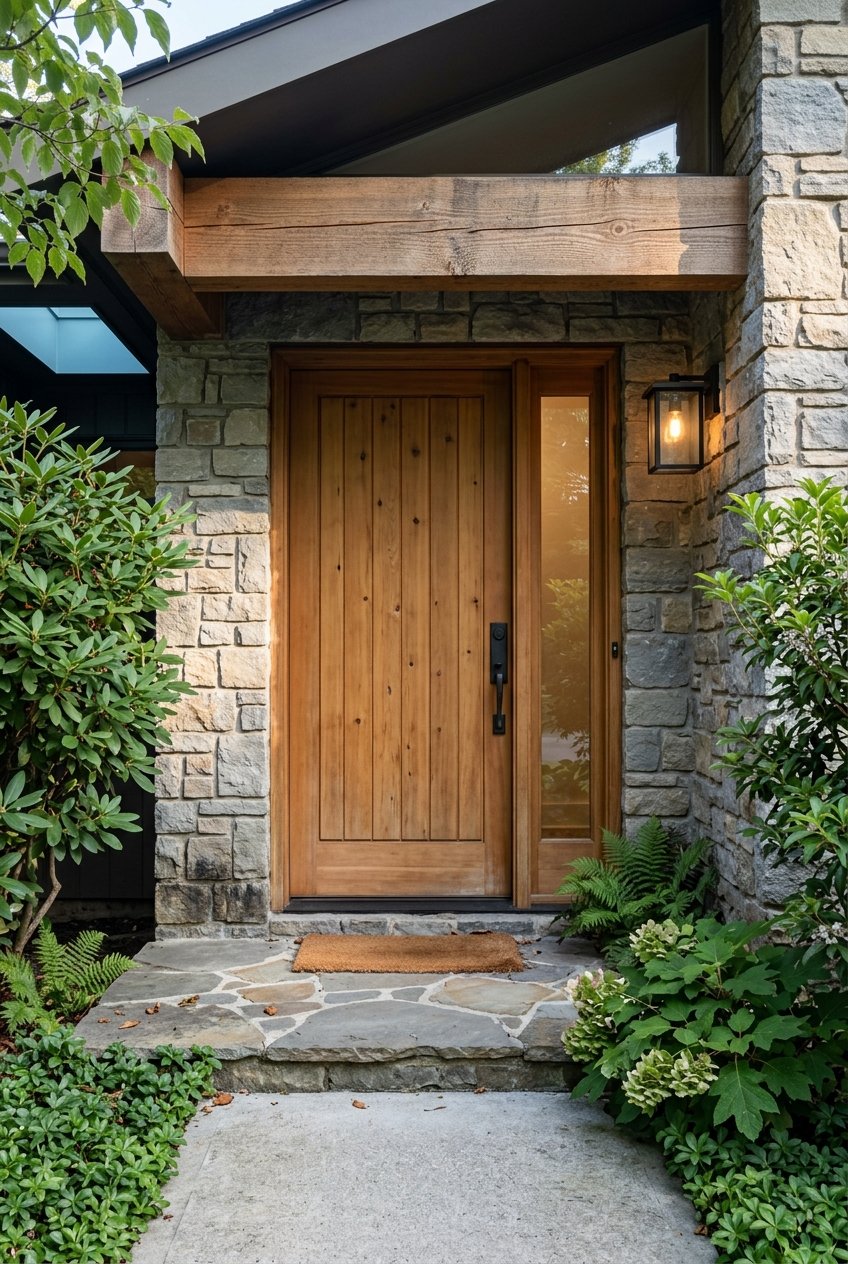
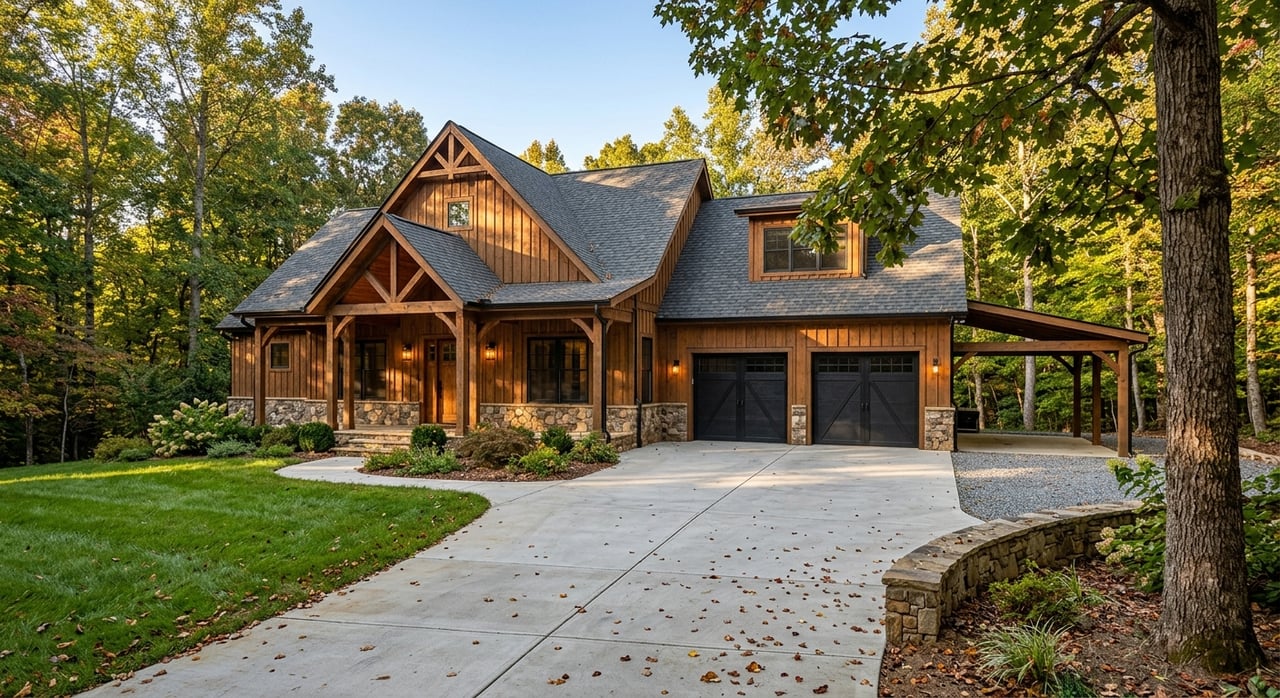
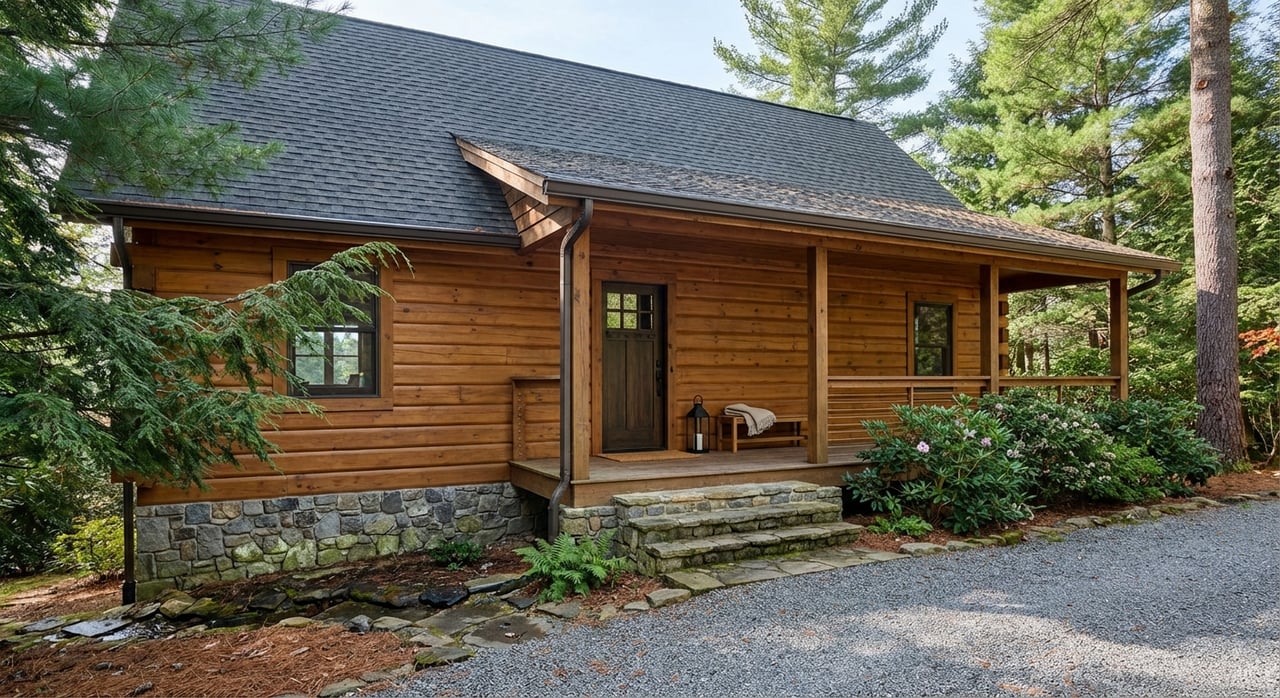
- Professional photography with clear shots of views, decks, hot tub, fireplace, approach, and parking. Twilight exteriors add appeal.
- A labeled floor plan with measured square footage. This helps buyers visualize flow and sleeping capacity.
- A 3D tour or Matterport-style walkthrough, plus a short 60 to 90 second guided video. High-quality virtual assets drive engagement and reduce unnecessary showings. See best practices in Matterport’s real estate marketing guide.
- Drone imagery, where allowed, to show driveway slope, setting, and proximity to the Parkway.
Place a single, easy-to-find permalink for the 3D tour and video in your listing and in your buyer packet.
Market to out-of-state buyers
Most buyers discover properties online. National data confirms the internet is the primary search tool for homebuyers, so make sure your listing feed is flawless and media-forward. For context on buyer behavior, review NAR’s Fast Facts.
When your ideal buyer is an investor, highlight the items that matter most: verified permit status, inspection compliance, documented gross revenue with supporting exports, and whether there is an optional local management setup. When you target second-home buyers, emphasize ease of access, proximity to the Parkway and trails, and maintenance simplicity.
In every channel, call out if the cabin is turnkey and furnished, and include your downloadable buyer packet link. This saves time and increases the odds of a confident, sight-unseen offer.
Showings and negotiations from afar
Offer live guided video walkthroughs using FaceTime or Zoom and provide a recorded link afterward. Remote buyers appreciate an agent on-site who can test Wi-Fi, show parking and driveway grade, and demonstrate smart locks and thermostats.
A pre-listing inspection gives buyers more confidence. Share the report and consider a capped repair credit to streamline negotiations when your pricing supports it. In MLS remarks, be clear about inspection windows and whether buyers can use a local inspector who will host a live video during the inspection.
For investors, include three years of P&L if available and summaries of guest reviews. Clarity on HVAC age, hot tub service logs, and internet providers helps reduce back-and-forth.
Remote closing made simple
Most real estate contracts and closing documents can be executed electronically in Tennessee when both parties consent. Tennessee follows the UETA and ESIGN frameworks, which allow e-signatures. Always confirm your title company’s policies, as procedures can vary. For background, see this overview of Tennessee’s UETA framework.
Remote Online Notarization is authorized in Tennessee, which lets a Tennessee-commissioned online notary perform audio-visual notarizations for out-of-state signers. Some lenders and counties still have document-specific rules, so verify early with your title company. Note that updated training and exam requirements apply to new online notaries beginning January 1, 2026. Review current guidance at the National Notary Association’s Tennessee page.
Follow secure closing practices. Use trusted e-sign platforms, confirm wiring instructions by phone with a known title contact, and send the buyer packet, final P&L, tax documentation, and inventory list well before the final walkthrough or acceptance deadline.
Transfer permits and set expectations
Explain how permit transfer works in your listing and in your buyer packet. Sevier County and local municipalities outline change-of-owner processes and whether a new inspection is triggered at sale. Point buyers to the county’s instructions for “Purchasing a Short-Term Rental” on the Official STRU page, and include applicable city steps or forms from the Gatlinburg Finance page.
Seller checklist
- Confirm zoning and permit status, and gather all STRU or Tourist Residency documents with inspection results.
- Order professional photos, a floor plan, and a 3D tour. Add drone views if appropriate.
- Create a digital buyer packet with permits, inspections, 12 to 24 months of bookings, tax remittances, utilities, HOA or road notes, septic or sewer documentation, and a dated furnishings inventory.
- Price with both comps and an income approach using occupancy and ADR benchmarks from AirDNA’s Gatlinburg market data.
- Offer live virtual tours, recorded walkthroughs, and clear inspection options with local inspectors.
- Confirm your title company supports e-signatures and online notarization, and communicate wiring procedures early.
Next steps
If you prepare the right documents, price with data, and deliver a complete virtual experience, you will stand out to serious out-of-state buyers and shorten your path to a clean closing. For help building your packet, pricing your cabin with comps and an income lens, and running a remote-first marketing plan, connect with Jo Schultheiss. Jo brings a proven remote-buyer playbook, local STR knowledge, and modern media to every listing.
FAQs
What permits do I need to sell a Gatlinburg STR cabin?
- If the property is outside city limits, follow Sevier County’s Short-Term Rental Unit Permit and annual safety inspection rules. Inside city limits, use Gatlinburg’s Tourist Residency permit. Start with the Sevier County STRU page and the City’s Tourist Residency page.
How do Tennessee taxes work for short-term rentals?
- Short-term rentals are subject to state sales tax and often local option sales or lodging taxes. Clarify what platforms collect versus what you remit and include receipts in your buyer packet using the Tennessee SUT-47 guidance.
What media do remote buyers expect in a cabin listing?
- Professional photos, a measured floor plan, a Matterport-style 3D tour, and drone views where allowed. See best practices in Matterport’s marketing guide.
How do I price a cabin for investor buyers?
- Use both comps and an income approach. Start with realistic ADR and occupancy benchmarks from AirDNA’s Gatlinburg overview, estimate gross revenue, subtract expenses to find NOI, and align with local sales data.
Can I close the sale fully online from another state?
- Often yes. Tennessee supports e-signatures under UETA and ESIGN, and Remote Online Notarization is authorized. Confirm acceptance with your title company and review Tennessee RON guidance and UETA basics.
What should go in a remote buyer packet for my cabin?
- Include permits, inspection results, 12 to 24 months of bookings, tax remittances, management agreement, utilities, HOA or road notes, septic or sewer documents, and a dated furnishings inventory, plus links to your 3D tour and video.