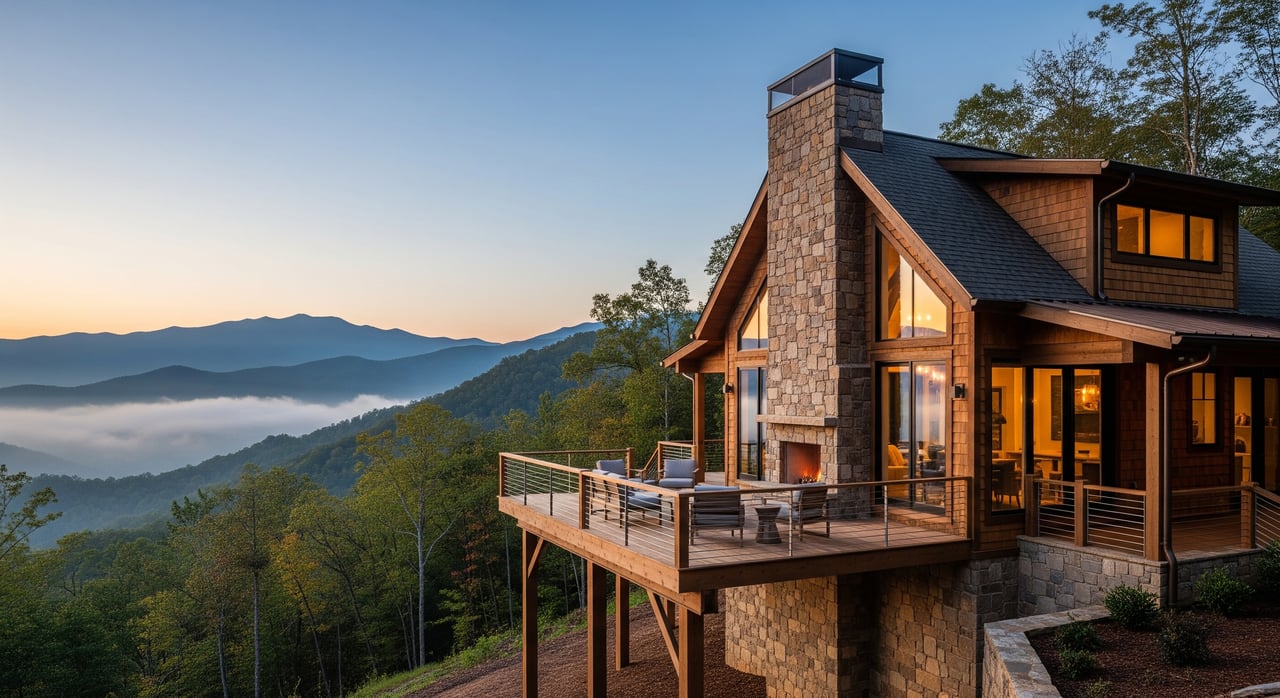
Ever picture sipping coffee on a deck as mist lifts off the Smokies, then wonder what day‑to‑day cabin ownership really looks like in Gatlinburg? You are not alone. Many out‑of‑state buyers love the romance, then discover practical details about seasonality, roads, utilities, and rental rules that shape daily life and returns. In this guide, you will get a clear view of the lifestyle, costs, operations, and due diligence steps so you can buy with confidence. Let’s dive in.
Gatlinburg cabin lifestyle at a glance
Gatlinburg sits beside Great Smoky Mountains National Park, which drives steady tourism and a strong short‑term rental culture. You will find purpose‑built cabins on wooded, often steep lots, plus condos and townhomes in resort settings. Many buyers come from out of state for second homes, weekend escapes, or rental income.
Tourism anchors like the Parkway, Dollywood nearby in Pigeon Forge, and seasonal events keep visitors coming year‑round. Market demand often tracks visitor patterns and short‑term rental performance, so changes in travel trends or local rules can affect revenue.
If you are driving from major cities, plan for variable travel times. Expect at least 45 minutes from Knoxville, with longer trips from Nashville, Atlanta, and other metros depending on traffic and route.
Seasonality you will feel
Peak months and holidays
Fall color season is a major draw, with heavy bookings and busy roads. Summer brings families for park access and attractions. Holidays and long weekends, from Thanksgiving through New Year’s and spring break, create demand spikes. Off‑season periods are softer, but weekends often stay active.
Traffic and parking realities
Expect congestion on the Parkway and routes into the park during peak times. Parking near downtown and trailheads can be tight, so a cabin with dedicated or off‑street parking is convenient for you and for guests. Sightseeing traffic and event closures can slow mountain roads, so build buffer time into your plans.
Weather and access planning
Warm, humid summers, crisp fall days, and occasional winter ice are part of mountain living. Winter storms can make steep driveways tricky, so plan for all‑wheel drive, chains, or local plowing. Elevation and slope can create microclimates, which means different conditions and growing seasons even a short drive apart.
Property types and lots
Log cabins and common features
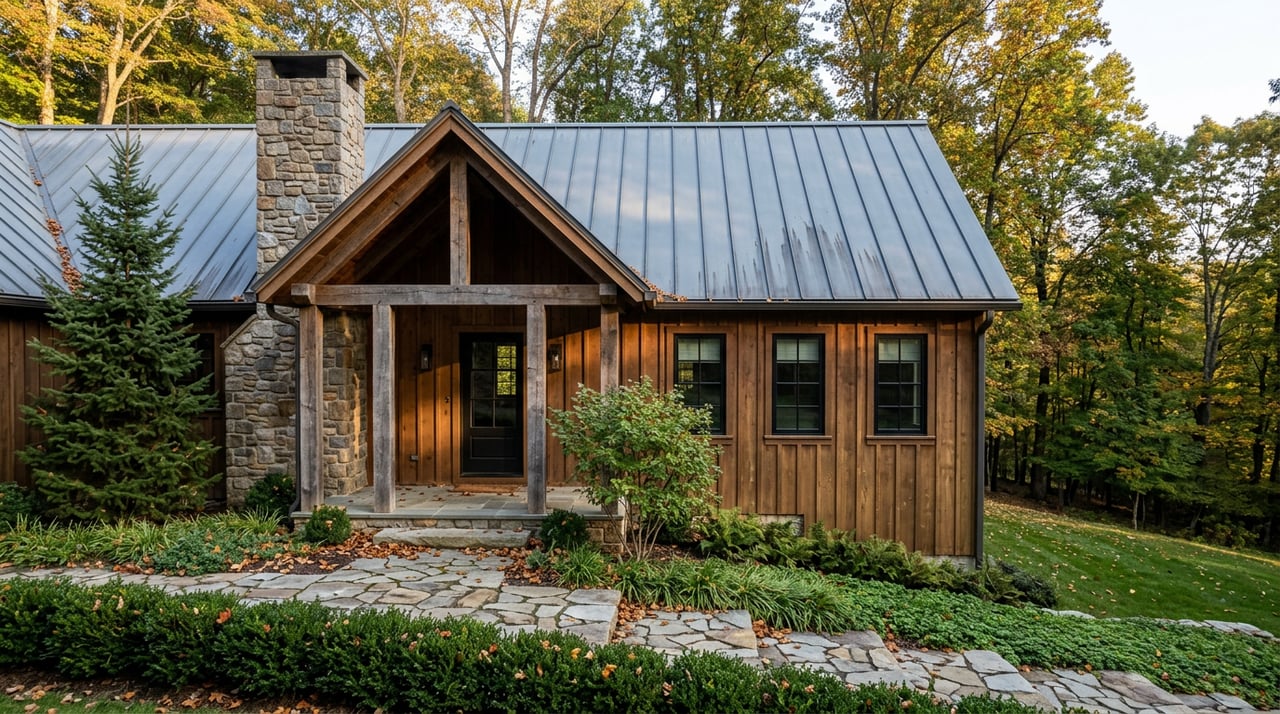
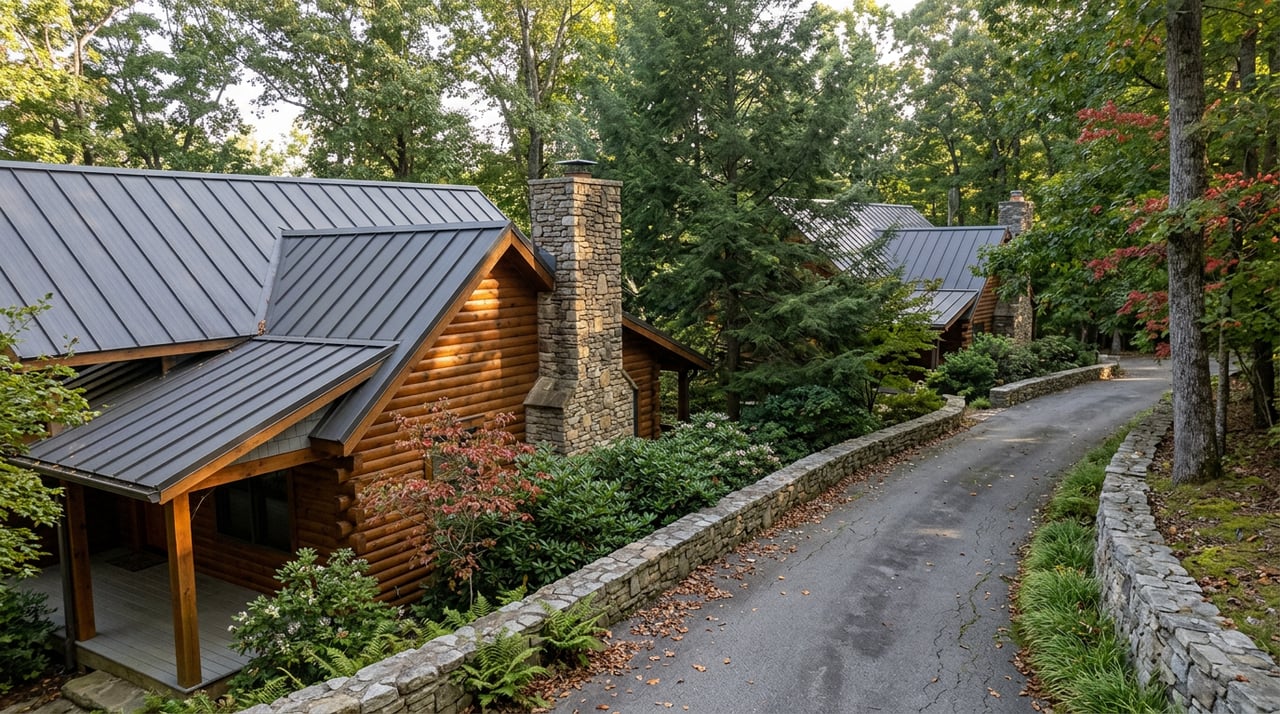
Many cabins are log‑style or wood frame with log or stone exteriors. Decks, hot tubs, and elevated foundations are common. Views often come with hillside building sites, which affects driveway design, drainage, and maintenance needs.
Driveways and road access
Mountain access can include narrow, steep, or curved driveways, sometimes with switchbacks. Clarify who handles road and snow maintenance. Some gated communities or subdivisions manage plowing, while private roads can be the owner’s responsibility. Confirm emergency vehicle access and turnarounds for safety.
Utilities and connectivity
- Water: You may have municipal service or a private well. Test well water for quantity and quality, and review drilling records if available.
- Sewer and septic: Parts of Gatlinburg have sewer, but many lots use septic systems. Verify system design, capacity, and maintenance history.
- Power and fuel: Expect a mix of electric and propane for heat, hot water, and gas logs. Confirm provider availability and reliability.
- Internet and cell: Service can vary by elevation, trees, and development. High‑speed or fiber is not universal, so verify speeds on site, especially if you or your guests need consistent connectivity.
- Trash: Municipal or private service may require bear‑resistant containers and specific handling rules.
Maintenance in the mountains
Plan for a higher maintenance budget than for lower‑elevation homes. Humidity and freeze‑thaw cycles increase wear on siding, decks, roofs, and seals. Log homes need periodic staining and chinking upkeep. Good ventilation, gutters, and drainage help prevent mold and mildew, especially on shaded lots.
Wildlife and safety
Black bears are common in the Smokies. Follow local guidance, secure trash, and never leave food outside. Other wildlife like deer and raccoons can affect landscaping, so consider fencing or screening. These steps protect both your property and native animals.
Natural hazards and site stability
Steep lots can bring erosion risk. You may need engineered drainage, retaining structures, or erosion control. Lower‑lying properties can face flood exposure, so review flood maps and any creek proximity. Wildfire is a consideration in forested areas; defensible space practices help reduce risk.
Short‑term rentals, taxes, and rules
Gatlinburg’s economy supports a strong short‑term rental market, but performance is seasonal and tied to location and features. If you plan to rent, confirm that the specific property can operate legally. You will need to check City of Gatlinburg and Sevier County rules, plus any HOA or resort policies that limit rentals or set guest rules.
If you operate an STR, you are typically required to register for licenses and collect occupancy taxes, plus applicable Tennessee sales taxes. Requirements can change, so verify the latest steps with city, county, and state offices. Permits for building, septic, driveway work, and land disturbance apply to new construction and major renovations.
Costs, insurance, and management
Cabin holding costs can be higher than a typical suburban home due to maintenance, utilities for larger spaces, and frequent guest turnover if renting. Many owners hire a local property manager to handle bookings, guest communication, turnovers, maintenance, and compliance. Management agreements usually charge a percentage of rental revenue, plus cleaning and service fees.
Insurance is a key variable. Premiums can depend on distance to fire services, access, roof type, wood construction, and exposure to weather or wildlife. If you rent the cabin, discuss liability and host coverage options with your carrier. Get quotes early, since insurance can also affect financing and closing timelines.
Financing and appraisals
Lenders may use stricter standards for vacation homes and remote properties. Appraisals rely on comparable sales for mountain cabins, which can differ from standard subdivisions. If you plan to rent, some lenders request projected income documentation or offer different underwriting for investment use. Work with a lender familiar with Sevier County and second‑home loans.
What to verify before you buy
Use this list to focus your due diligence and protect your timeline.
- Confirm whether short‑term rentals are allowed for the property, including city or county rules and any HOA or resort restrictions.
- Identify all utilities: water source, sewer or septic, electricity, propane, internet service and speeds, and cell coverage.
- Evaluate driveway grade, road maintenance responsibility, and winter access plans.
- Check proximity to fire and medical services, and ask about typical response times.
- Review flood exposure and any steep‑slope conditions; consider geotechnical guidance for erosion or landslide risk.
- Request operating costs, including insurance, utilities, septic or well maintenance, HOA fees, and reserves for seasonal work.
- If buying for income, ask for documented rental performance, such as P&Ls and monthly occupancy patterns.
- Review HOA covenants, fees, and meeting minutes for rule changes.
- Understand setback rules, ridgeline guidelines, and permits for renovations or new builds.
Step‑by‑step buyer checklist
- Verify STR rules, required licenses, and occupancy tax obligations with the city and county.
- Confirm utility providers and reliability, including internet speeds.
- Order a site inspection that reviews driveway access, drainage, erosion control, and tree risk.
- Inspect septic and well systems or request certified inspections with pump and service records.
- Obtain multiple insurance quotes, including liability coverage for STR operations if applicable.
- Request rental performance documentation and seasonality data for similar nearby cabins.
- Check HOA covenants, fees, and meeting minutes for upcoming changes.
- Review recent comparable sales and seasonal price trends for your target area and property type.
- Confirm snow and ice removal arrangements for roads and driveways.
- Speak with local property managers about turnover logistics, revenue expectations, and costs.
How Jo helps remote buyers
You can keep the mountain dream simple with a local guide who blends lifestyle knowledge with technical details. Jo’s process supports out‑of‑state buyers with FaceTime or video tours, reliable vendor referrals, and clear guidance on septic systems, mountain access, and rental operations. If you are investing, Jo can help you understand realistic STR performance, refer management options, and coordinate a smooth remote closing.
Ready to explore cabins, condos, or buildable lots in Gatlinburg and nearby Sevier County? Connect with Jo Schultheiss for a plan tailored to your goals.
FAQs
What should out‑of‑state buyers know about Gatlinburg seasonality?
- Expect peak demand in fall, summer, and major holidays, which affects road congestion, booking rates, and guest expectations.
How does winter weather affect cabin access in Sevier County?
- Icy conditions can make steep mountain roads and driveways challenging, so plan for all‑wheel drive, chains, or plowing services.
What utilities are common for Gatlinburg cabins?
- You may have municipal or well water, sewer or septic, electric and propane systems, and variable internet speeds that you should verify on site.
Are short‑term rentals allowed everywhere in Gatlinburg?
- No, STR permissions vary by city or county rules and by HOA or resort policies, so confirm legal use for each specific property.
What maintenance budget should I expect for a log‑style cabin?
- Plan for elevated upkeep due to humidity and freeze‑thaw cycles, including staining, chinking, deck care, roof checks, and drainage improvements.
How does insurance differ for mountain cabins or STRs?
- Premiums depend on distance to fire services, access, construction type, and rental use; get quotes early and ask about STR liability coverage.
What should I check before writing an offer on a steep lot?
- Review driveway grade, emergency access, drainage and erosion control, potential retaining needs, and any hillside or flood risks.