Thinking about buying a Pigeon Forge cabin but live hours away? You are not alone. Many investors and second‑home buyers manage successful Smokies rentals from out of state. The key is building the right local team, nailing compliance, and using smart systems so you are never the first responder. In this guide, you will learn what permits and taxes apply, how to choose a management model, and the exact playbook that keeps your Pigeon Forge rental running smoothly from afar. Let’s dive in.
Know your jurisdiction and permits
City or county comes first
Before you buy or list, confirm if the property is inside Pigeon Forge city limits or in unincorporated Sevier County. Rules, inspections, and permits differ by jurisdiction. Sevier County publishes its short‑term rental program details and inspection checklist, which is a useful starting point for any address check. Review the county program overview and updates on the county site to understand current requirements. You can find the county’s STRU permit information and inspection basics on the Sevier County website. (Sevier County STRU program)
Sevier County STRU permit and inspections
If your cabin is in unincorporated Sevier County, you need a Short‑Term Rental Unit (STRU) Permit each year. The program requires an annual life‑safety inspection that checks essentials like smoke and CO detectors, fire extinguishers, egress, and electrical items. Fees scale with occupancy, starting with a base fee for units sleeping 12 or fewer. Plan for the inspection timeline and budget for any upgrades needed to pass. (Sevier County STRU program)
Pigeon Forge city rules at a glance
Inside Pigeon Forge city limits, short‑term rentals operate under Ordinance No. 1065. The city requires an operating permit, life‑safety verification, and a designated 24/7 local contact who can respond quickly. Permit types differ for owner‑occupied, non‑owner‑occupied, and unoccupied units, and advertising must display the permit number. Occupancy is typically calculated at two guests per bed with a common cap of 12 persons in many sections. Always confirm current fees and application steps with the city. (Pigeon Forge Ordinance No. 1065)
State law and HOA covenants
Tennessee’s Short‑Term Rental Unit Act sets statewide rules around continued use rights and allows reasonable local permitting. It also clarifies that private covenants, like HOA rules, can restrict rentals and a city permit does not override them. Before you close or list, review both the state statute and your local ordinance, and verify any HOA or deed restrictions. (Tennessee STRU Act)
Taxes and accounting basics
Short‑term stays in Tennessee are subject to state sales tax plus applicable local sales and lodging or occupancy taxes. Marketplace facilitator rules mean booking platforms often collect some taxes, but you are still responsible for registering with the Tennessee Department of Revenue and any local jurisdiction, confirming what the platform remits, and keeping records for audits. Set up clean bookkeeping that tracks gross rent and each tax component per booking. (Short‑term rental tax basics)
In Sevier County, many licensed non‑owner‑occupied short‑term rentals have been reclassified to commercial property tax rates. That shift can materially increase your annual tax bill compared to a standard residential assessment. Model this cost during underwriting so your cash flow does not get surprised. (Sevier County STR commercial classification)
Choose your management model
Four common approaches
Out‑of‑state owners typically pick from four paths:
- Self‑manage. You handle pricing, guest messages, cleaners, and vendors. Lowest fees but time‑intensive, especially from a distance.
- Co‑host or a la carte local help. You keep the listing while a local partner covers turnovers, check‑ins, and emergencies. Lower base cost than full service but more coordination.
- Full‑service property manager. A local firm handles dynamic pricing, guest support, housekeeping, maintenance coordination, tax remittance, and 24/7 response. Typical fees in many markets range around 15 to 30 percent of rental revenue, depending on scope and inclusions. Review contracts carefully. (Management fee overview)
- Hybrid or performance models. Some operators unbundle revenue management, guest support, and on‑the‑ground services so you only pay for what you need.
What local rules mean for remote owners
Pigeon Forge’s ordinance requires you to list a 24/7 local contact who can respond within a defined service window. That single requirement often pushes remote owners toward a full‑service manager or a structured co‑host agreement. If you self‑manage, you still need a reliable local designee who can show up fast. (Pigeon Forge Ordinance No. 1065)
What to ask a manager
- Fees and inclusions. Is pricing flat percent, tiered, or a la carte? Ask for a sample monthly statement.
- Performance metrics. Request occupancy, ADR, gross revenue, average rating, and net owner payout. Compare claims against local market snapshots. A recent snapshot for Pigeon Forge shows an example occupancy near 58 percent with ADR in the $300s, though top cabins can outperform based on beds, amenities, and location. Use these as starting points, not promises. (Pigeon Forge market overview)
Build your remote operations playbook
Pre‑purchase due diligence
- Confirm zoning and STR eligibility for the exact address. If inside city limits, review permit type and any grandfathering language. (Pigeon Forge Ordinance No. 1065)
- Check the life‑safety checklist and budget for upgrades needed to pass inspection. (Sevier County STRU program)
- Review all HOA or deed restrictions and any lease language if you plan rental arbitrage. Get written permission from the owner if subletting. (Tennessee STRU Act)
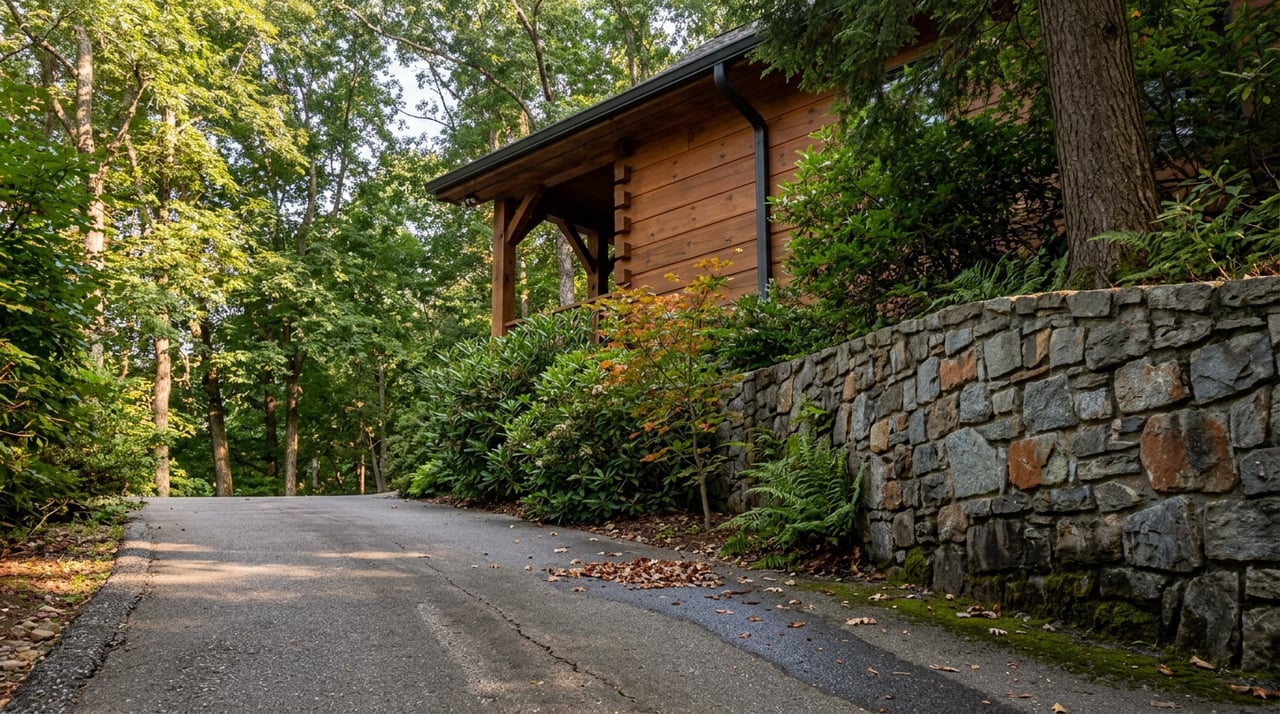
- Evaluate logistics like winter road access, parking, septic versus sewer, and vendor distance. These details affect guest experience and ongoing costs.
Turnover and cleaning system
- Keep two to three vetted cleaners with cross‑coverage for peak weeks. Use a written turnover checklist that includes linens, surfaces, inventory, safety checks, and hot tub care if applicable.
- Use a shared schedule or a property management system to track cleans and flag late turnovers. Build buffer days in winter and leaf season.
Maintenance and emergency response
- Line up at least three local pros: a plumber, an electrician, and a general handyman. Set response time expectations and emergency callout rates in writing.
- Create a preventive maintenance calendar for HVAC filters, chimney or hot tub service, gutter clearing before fall, and septic inspections if needed. Keep an emergency reserve line in your monthly budget.
Guest communication and house manual
- Write templates for booking confirmation, prearrival info, check‑out steps, and emergency contacts. Post your operating permit number and the 24/7 local contact in the house manual as required. (Pigeon Forge Ordinance No. 1065)
Accounting and insurance essentials
- Register with the state and local jurisdictions as required. Confirm which taxes the marketplace collects and what you must remit. Keep monthly records for each tax line.
- Verify that your insurance covers short‑term rental use. Standard homeowners policies often exclude STR activity. Ask a broker about liability limits and any special risks like hot tubs or pools.
Smart home tech with privacy in mind
Essential device stack
- Reliable Wi‑Fi with a backup plan if signal is spotty.
- Keyless entry with unique guest codes and an audit trail.
- Smart thermostat to manage setpoints between stays.
- Noise decibel monitor that does not record audio to reduce party risk.
- Exterior cameras for perimeter awareness that are visible and disclosed.
Privacy rules you must follow
Platform rules prohibit cameras or audio recording devices in interior spaces. If you use exterior cameras or a noise monitor, you must disclose them in your listing and at check‑in. Avoid any indoor cameras or audio recording to protect guest privacy and reduce legal risk. (Airbnb device policy)
Tennessee is a one‑party‑consent state for audio recording, but recording where guests expect privacy creates significant civil risk. The safest path for remote owners is to avoid interior recording altogether and disclose any permitted exterior devices clearly. When in doubt, consult a local attorney. (Tennessee recording overview)
Price for the Pigeon Forge market
Benchmarks and demand drivers
Use data to guide pricing. Market snapshots for Pigeon Forge show an example occupancy near 58 percent and ADR in the $300s. Your results will vary based on bed count, amenities, and how well you manage revenue. Keep an eye on seasonal demand linked to Great Smoky Mountains National Park access, Dollywood events, and regional park visitation trends, which remain very strong. (Pigeon Forge market overview; regional park visitation context)
Tools and metrics to track
- Use a dynamic pricing tool and set smart minimum stays for peak periods.
- Track RevPAR, ADR, occupancy, gross revenue, and net owner payout after fees and taxes. Review performance monthly and adjust pricing, photos, and amenities accordingly.
Contracts and SOPs that save you time
Put expectations in writing with every vendor. At minimum, your agreements should include:
- Scope of work with a detailed turnover or maintenance checklist.
- Guaranteed response windows for emergencies and an up‑to‑date contact tree.
- Billing terms with itemized invoices tied to booking IDs, plus W‑9 and insurance requirements.
- A quality clause that lets you request a replacement cleaner or vendor if standards slip.
Quick start checklist for out‑of‑state owners
- Verify whether the address is inside Pigeon Forge city limits or unincorporated Sevier County, then confirm STR eligibility and permit type.
- Register with the Tennessee Department of Revenue and any required local offices. Confirm what your booking platform collects and what you must remit.
- Apply for the correct STR permit and schedule life‑safety inspections. Budget for any upgrades.
- Designate a qualified 24/7 local contact or hire a manager who meets response time rules.
- Build a vendor bench: two to three cleaners, a plumber, an electrician, a handyman, and a locksmith.
- Install smart locks, reliable Wi‑Fi, and a smart thermostat. If you use exterior cameras or a noise monitor, disclose them clearly and avoid any interior recording.
- Publish your listing with the required permit number, house rules, and local contact info. Set booking rules and monitor pricing weekly.
Ready to explore Pigeon Forge cabins that fit your strategy and budget? Get local, boots‑on‑the‑ground guidance from an agent who helps remote buyers succeed here. Reach out to Jo Schultheiss for a personalized plan and property list.
FAQs
What permits do I need to run a Pigeon Forge vacation rental?
- It depends on location. Inside Pigeon Forge, you need an operating permit under Ordinance No. 1065 with a 24/7 local contact and life‑safety verification. In unincorporated Sevier County, you need an annual STRU permit with a life‑safety inspection.
How do taxes work for a Pigeon Forge short‑term rental?
- You will collect and remit Tennessee state sales tax plus any local sales and lodging or occupancy taxes. Platforms may collect some taxes, but you are responsible for registering, confirming remittance, and keeping records.
Do I need a local contact if I live out of state?
- Yes. Pigeon Forge requires a designated 24/7 local contact with defined response times. Many remote owners meet this rule by hiring a full‑service manager or a trusted co‑host.
What smart devices are allowed in my rental?
- Exterior cameras and non‑audio noise monitors are generally allowed if you disclose them in your listing and at check‑in. Do not place cameras inside and avoid any audio recording to protect guest privacy and reduce legal risk.
What is a good occupancy rate and ADR in Pigeon Forge?
- Market snapshots show an example occupancy near 58 percent with ADR in the $300s. Treat these as guideposts. Your results depend on bed count, amenities, location, and how well you manage pricing and operations.